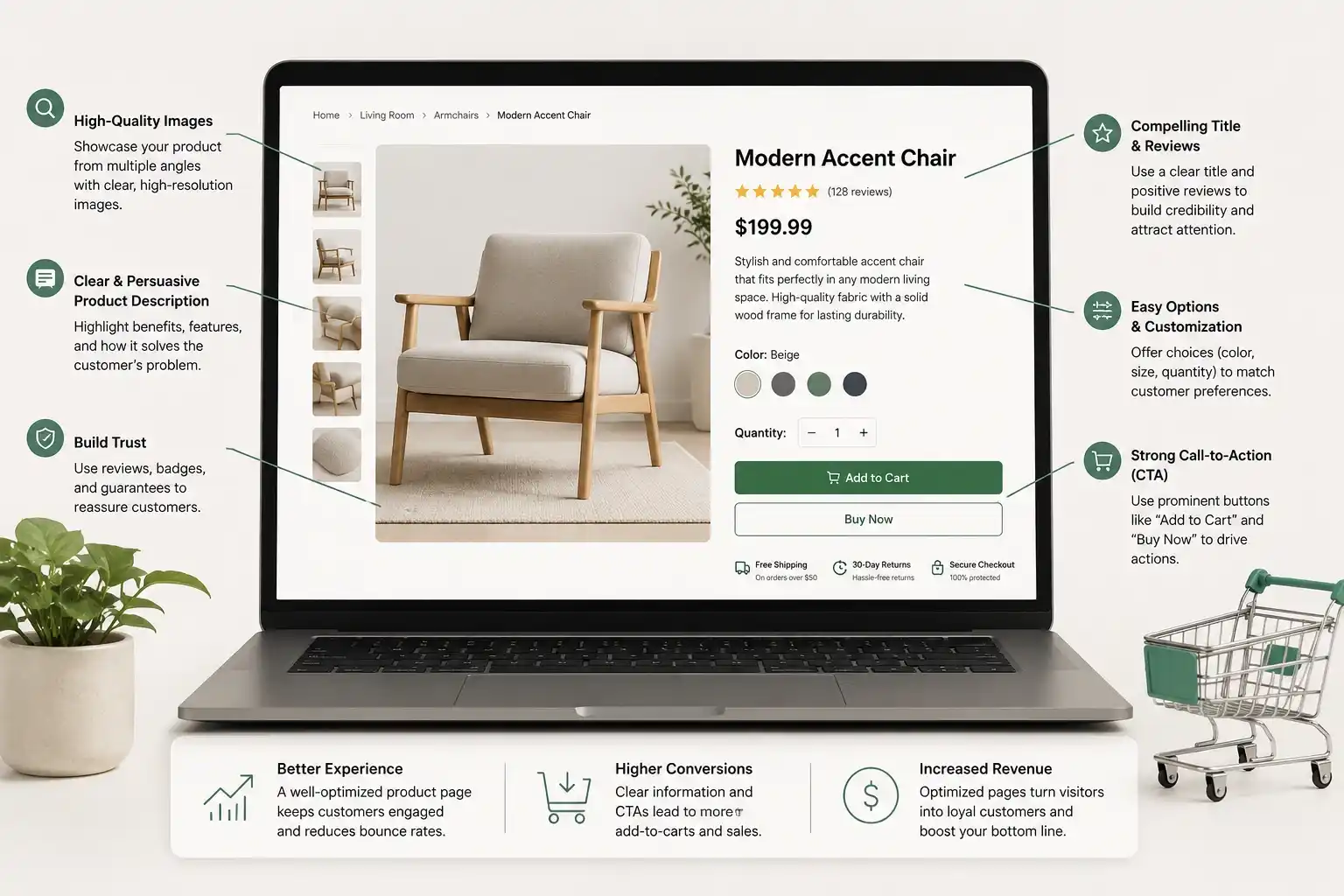
Shopify websites are transforming the e-commerce landscape. They offer a powerful platform for businesses to thrive online. With the right design, a Shopify store can maximize sales and customer engagement.
Designing a Shopify store involves more than just aesthetics. It requires strategic planning and execution. A well-designed store can significantly boost conversion rates.
Choosing the right Shopify theme is crucial. It should align with your brand and product offerings. This choice impacts the overall user experience.
Mobile responsiveness is another key factor. Most online shopping happens on mobile devices. Ensuring your store is mobile-friendly can capture more sales.
Fast loading times are essential for retaining customers. Slow websites can lead to lost sales. Speed optimization should be a priority.
Shopify apps can enhance store functionality. They offer features that improve customer experience. Leveraging these tools can set your store apart.
Finally, integrating social media and email marketing can drive traffic. These channels help build a loyal customer base. They are vital for sustained growth.
Why Shopify Websites Dominate E-Commerce
Shopify websites have become the go-to choice for many entrepreneurs. Their user-friendly interface makes setup a breeze. Even those with limited technical skills can create stunning online stores.
The platform’s flexibility is unmatched. It allows for customization to suit any business model. This versatility attracts both small businesses and large enterprises.
Moreover, Shopify’s security features are top-notch. They ensure that transactions are safe and customer data is protected. This builds trust with shoppers.
Shopify also offers exceptional scalability. As businesses grow, the platform can expand with them. There’s no need to worry about outgrowing it.
The app ecosystem is another factor in Shopify’s dominance. A vast range of apps adds functionality to stores. These apps enhance features like marketing, inventory management, and customer service.
Some key reasons why Shopify dominates include:
- User-friendly setup and management
- Strong security measures
- Extensive customization options
- Comprehensive app ecosystem

In summary, Shopify’s powerful features and ease of use make it a top choice. It’s no wonder it’s a leader in e-commerce.
Essential Steps for Shopify Store Setup
Setting up a Shopify store can seem daunting, but breaking it down into steps simplifies the process. The first step is creating an account on Shopify. It’s straightforward and involves providing some basic information about your business.
Once your account is ready, selecting a domain is crucial. A memorable and relevant domain name helps customers find you easily. You can buy a new domain through Shopify or connect an existing one.
Next, you need to select a Shopify plan that fits your business. Consider your budget and the features you require. Shopify offers different plans, catering to various business sizes and needs.
After choosing a plan, it’s time to configure your store settings. These include currency, tax details, and payment gateways. Make sure payment options are diverse to cater to different customers.
Designing your store is where creativity comes in. Choose a theme that aligns with your brand identity. Shopify offers a range of free and paid themes to suit your style.
Populating your store with products is the next big task. High-quality images and detailed product descriptions are key to attracting customers. Pricing should reflect the value and cover your costs.
Consider these steps for effective store setup:
- Create an account
- Select a domain
- Choose a Shopify plan
- Configure store settings
- Design your store
- Add products
Finally, don’t forget to preview your store before going live. Make sure everything looks and works as you envisioned. A well-set-up store can make a powerful first impression.
Choosing the Right Shopify Theme for Your Brand
Selecting the right Shopify theme is vital for your brand’s success. Your theme sets the tone and influences customer perceptions.
Start by considering your brand’s identity. Are you aiming for a minimalist aesthetic or a vibrant, colorful look? Knowing your brand’s personality will guide your theme choice.
Functionality is equally important. A visually appealing theme that lacks functionality can hurt user experience. Ensure that the theme you choose supports essential features like filtering options and image galleries.
Themes can also affect loading times. Choose themes that are lightweight and optimized for speed. Faster sites retain users and boost sales.
Here’s what to keep in mind:
- Align with your brand identity
- Ensure functional features
- Optimize for speed
Explore Shopify’s theme store, which offers numerous free and premium options. Review each theme’s features, support, and updates before deciding.


Customization options can make a big difference. Look for themes that allow you to tweak layouts, colors, and fonts. This flexibility enables you to differentiate your store from competitors.
With the right theme, you set a strong foundation for an engaging and professional Shopify store.
Designing for Conversion: Key Elements of High-Performing Shopify Websites
To boost sales, focus on key design elements that drive conversions. A well-designed store not only looks good but performs well.
Start with the homepage. It serves as your store’s gateway, making first impressions count. A clear value proposition is essential.
Visuals play a crucial role. Use high-quality images to showcase products enticingly. Visual appeal can significantly impact buying decisions.
Place a clear and compelling call-to-action (CTA) prominently. It should guide visitors toward desired actions like “Shop Now” or “Discover More.”
Optimize product pages for conversions. Provide detailed descriptions, emphasizing benefits. Use bullet points for easy readability.
Consider including the following elements:
- High-quality product images
- Clear, concise product descriptions
- Urgent CTAs
Customer reviews and ratings build trust and credibility. Encourage satisfied customers to share feedback on product pages.
Navigation must be intuitive. Ensure users can easily find what they’re looking for without frustration.
Additionally, a streamlined checkout process minimizes cart abandonment. Allow guest checkouts to reduce friction.
Here’s a checklist for conversion optimization:
- Effective CTA placement
- User-friendly navigation
- Simplified checkout process
Enhance user experience with fast loading speeds. Websites that load quickly tend to retain visitors better.
Lastly, test and analyze. Use A/B testing to refine design elements, ensuring continuous improvement.


Incorporate these strategies into your Shopify store design to maximize conversions. A thoughtful design approach can turn browsers into buyers.
Mobile Responsiveness: Capturing Sales on Every Device
In today’s digital age, mobile optimization isn’t optional; it’s essential. Many customers use smartphones to shop online.
A mobile-responsive Shopify website ensures users have a seamless experience on any device. Adaptation is key.
Responsiveness means your store automatically adjusts to different screen sizes. Text, images, and buttons must be readable and accessible on smaller screens.
Simplify navigation for mobile users. Menus should be concise and easy to use with touch controls. Avoid complex structures.
Use these mobile-responsive practices:
- Ensure fast loading times
- Utilize readable font sizes
- Optimize images for quick display
Loading speed impacts mobile user experience significantly. A slow site frustrates users, driving them away.
Incorporate mobile-friendly payment gateways. One-click payment options can boost conversion rates by reducing checkout hassle.
Ultimately, testing on multiple devices ensures your Shopify store caters to all users. Embrace mobile responsiveness to reach wider audiences and increase sales. A mobile-friendly store meets customers where they are, enhancing satisfaction and sales prospects.
Optimizing Product Pages for Maximum Sales
Product pages are the heart of your Shopify store. They greatly impact sales success. An optimized product page convinces visitors to become buyers.
Start with high-quality images. Photos should be clear, well-lit, and accurately represent the product. Providing multiple angles helps.
Next, your product descriptions should be detailed and concise. Highlight key features and benefits, focusing on how the product meets user needs.
Price transparency builds trust. Clearly display prices and any associated costs like shipping or taxes. Avoid any hidden surprises.
Include a compelling call-to-action (CTA). Direct phrases like “Buy Now” or “Add to Cart” guide customers towards making a purchase.
Incorporate these strategies to optimize your product pages:
- Use clear, high-resolution images
- Write detailed, engaging descriptions
- Make CTAs prominent and actionable
Consider adding customer reviews and ratings. Social proof can influence purchasing decisions positively.
Product video demonstrations also enhance pages. Videos showcase product functionality and features, enticing potential buyers.
Lastly, ensure your product pages load quickly. Speed affects user satisfaction and search rankings. Use compressed images and efficient code.
By focusing on these elements, your Shopify store’s product pages will likely convert more visitors into buyers. Each detail matters in guiding potential customers to make a purchase decision.
Navigation, Search, and User Experience Best Practices
Effective navigation is crucial for guiding customers through your Shopify website. A well-organized menu helps users find products quickly, enhancing the shopping experience.
Begin with a clear, hierarchical structure. Categorize products logically and consistently. Group similar items together, making browsing intuitive.
Include a robust search function. A prominent search bar allows users to locate desired products faster. Autocomplete suggestions further improve the search experience.
Consider these navigation best practices for your Shopify store:
- Simplify menu categories
- Use descriptive labels and titles
- Avoid overwhelming customers with too many options
Focus on user experience (UX) by ensuring all clickable elements are intuitive. Consistent styling across pages aids in navigation and improves UX.
Breadcrumbs serve as helpful guides. They show customers the path they have taken and facilitate easy return to previous pages.
Incorporating these practices, your Shopify website becomes more user-friendly. This encourages customers to explore more and potentially boosts sales.

Speed and Performance: Why Fast Shopify Websites Win
Fast loading times are crucial for any e-commerce site, including Shopify websites. Slow pages can lead to frustrated customers and lost sales.
Website speed influences user experience. It also impacts your store’s conversion rates. Customers prefer swift, seamless navigation.
To enhance performance, focus on:
- Optimizing image sizes
- Minimizing HTTP requests
- Leveraging browser caching
These practices can significantly reduce load times. A quicker site keeps visitors engaged and encourages purchases.
Shopify offers tools to analyze and improve your site’s speed. Utilize these resources to identify bottlenecks and potential improvements.
Remember, the faster your Shopify store, the more likely customers will complete transactions. Speed not only satisfies users but also boosts overall sales.

Leveraging Shopify Apps to Enhance Store Functionality
Shopify apps are powerful tools that can elevate your store’s capabilities. They offer enhanced features, crucial for improving user experience and operational efficiency.
Apps can automate various aspects of store management. This includes tasks like inventory tracking and email marketing. Automation saves time and reduces manual errors.
Consider adding apps for:
- Social media integration
- Customer review management
- Advanced analytics
Each app should address a specific need in your store. Be mindful not to overload your site with unnecessary applications. Too many apps can slow down site performance.
Regularly review your app usage to ensure they’re providing value. The right mix of apps can transform your Shopify store into a robust, efficient platform.
Apps not only add features but also support sales growth by enhancing customer interaction and satisfaction.

Building Trust: Reviews, Testimonials, and Social Proof
Trust is the foundation of successful online sales. Customers need assurance that your store is reputable. Reviews and testimonials play a vital role in establishing this trust.
Displaying customer feedback prominently on your Shopify store can build confidence. Positive experiences shared by others reassure potential buyers. Implement a system that encourages customers to leave reviews.
Consider showcasing the following:
- Star ratings for products
- Verified customer testimonials
- Social media mentions
Social proof, such as user-generated content, enhances credibility. Display images of customers using your products. This real-world usage adds authenticity to your brand.
Ensure your review and testimonial section is easy to navigate. Highlight quotes that best demonstrate your product’s value. Consistently seek feedback to maintain an active and trustworthy store presence.

Integrating Social Media and Email Marketing with Shopify
Social media and email marketing are powerful tools for driving sales. They help you reach a broader audience and connect on a personal level. Integrating these platforms with your Shopify store can enhance customer engagement.
Social media integration allows for seamless sharing of your products. Consider adding buttons that enable quick sharing on platforms such as Facebook and Instagram. You can also display social media feeds directly on your site, showcasing your active community presence.
Email marketing remains a potent way to communicate with customers. Consider offering incentives to encourage email sign-ups. Regular newsletters, personalized recommendations, and special offers can significantly boost your sales.
Here are some strategies to consider:
- Run exclusive promotions for email subscribers
- Share customer stories or testimonials
- Announce new products via social channels
A strategic approach to integrating these channels can lead to increased brand loyalty and sales.

Streamlining the Checkout Process to Reduce Cart Abandonment
A smooth checkout is crucial for completing sales. Cart abandonment occurs when the process is too complicated or time-consuming. Streamlining this experience can help you retain customers.
Start by minimizing the number of steps in your checkout process. Each additional page or form can cause frustration. Simple, clear instructions guide customers effortlessly through to purchase.
Secure, trusted payment gateways also enhance customer confidence. Offer multiple payment options to cater to diverse preferences. Familiar logos like PayPal and Visa reassure users about the safety of their transactions.
Consider implementing the following improvements:
- Enable guest checkouts for convenience
- Pre-fill customer information for returning buyers
- Clearly display shipping costs and timelines
Taking these steps can drastically reduce abandonment rates and boost your conversion rates.

Personalization, Upselling, and Cross-Selling Strategies
Personalization transforms customer experiences and drives more sales. Tailoring content to individual customers boosts engagement and satisfaction. You can achieve this by recommending products based on their browsing history.
Upselling involves offering customers a pricier version of their chosen item. This strategy emphasizes added value, encouraging customers to spend more. Highlight product features and benefits clearly to showcase value.
Cross-selling encourages users to buy complementary products. Suggesting related items can enhance the primary purchase. For instance, recommend a matching accessory to complete a look.
Consider these strategies to maximize impact:
- Use data to analyze purchase behavior
- Highlight customer testimonials to build trust
- Offer exclusive deals to loyal customers
Incorporating these strategies can cultivate a deeper connection with buyers, fostering repeat purchases.

Maintaining a Consistent Brand Identity Across Your Shopify Store
Consistency in branding ensures a seamless and professional look. Every element should echo your brand’s voice and values. This strengthens customer trust and recognition.
Your color scheme, fonts, and logo should be uniform. These elements create a cohesive image across your Shopify store. Aligning your visual and written content is vital for brand integrity.
Even product descriptions and images should reflect your brand’s identity. This extends to your store’s tone, ensuring every interaction aligns with your brand message.
Key strategies include:
- Using a uniform color palette
- Consistent language and tone
- Cohesive visual design
A consistent brand identity not only distinguishes your store but also enhances user experience.

SEO Optimization for Shopify Websites
Enhancing the visibility of your Shopify store requires effective SEO strategies. Higher search engine rankings lead to increased traffic and sales. Begin with keyword research to understand what your audience searches for.
Optimize each page for relevant keywords. Incorporate these into titles, meta descriptions, and URLs. Ensure that your site structure is logical and user-friendly.
Image optimization is crucial for SEO success. Use descriptive file names and alt tags to improve image search visibility. Fast loading images also contribute to better user experiences.
Consider the following strategies:
- Keyword-rich product descriptions
- Descriptive URLs
- Optimized images with alt text
Backlinks from reputable sites further boost your site’s authority. Engage with bloggers and influencers to gain credible references.
Finally, monitor your SEO progress. Use analytics tools to refine and enhance your SEO efforts continuously.

Using Analytics and A/B Testing to Improve Store Design
Data-driven decisions are vital to optimize your Shopify store design. Analytics provide insights into customer behavior, enabling you to make informed adjustments.
Start by tracking essential metrics such as page views, bounce rates, and conversion rates. These indicators reveal which areas need improvement.
A/B testing is a powerful tool for enhancing design elements. By comparing two versions of a page, you can determine what resonates best with your audience.
Key areas to test include:
- Call-to-action buttons
- Product descriptions
- Image layouts
Use analytics to identify what customers like and adjust accordingly. Continual testing and tweaking can lead to significant sales gains.
Analytics and testing keep your store relevant and user-friendly. Leverage these tools to ensure a seamless shopping experience.

Best Shopify Websites: Real-World Examples and What Sets Them Apart
Exploring successful Shopify websites can provide inspiration and insight. These examples demonstrate how to engage customers and boost sales effectively.
1. Bulletproof
Bulletproof offers health products with a clear focus on wellness. Their Shopify store showcases stunning visuals and streamlined navigation, making it easy for customers to find and purchase products.
- Effective use of high-quality product images
- Simple and intuitive site layout
- Strong brand messaging throughout

2. Gymshark
Gymshark excels in combining style and performance. Their Shopify store captures the brand’s dynamic energy, appealing to fitness enthusiasts worldwide.
- Engaging video content that highlights products in action
- A robust blog section for customer interaction
- Consistent branding across all pages

3. Allbirds
Allbirds, known for their eco-friendly footwear, leverage Shopify to tell their sustainability story. Their minimalist design emphasizes product quality and brand values.
- Minimalist design highlighting eco-friendliness
- Comprehensive product descriptions
- Excellent mobile responsiveness

4. Bombas
Bombas stands out for its mission-driven approach. This Shopify store effectively weaves its charitable cause into the shopping experience, engaging customers with a purpose.
- Clear mission statement visible on every page
- User-friendly navigation with strategic CTAs
- Integration of customer reviews for social proof
Examining these top-performing Shopify websites reveals common traits. Each one boasts outstanding visual appeal, coherent branding, and seamless user experiences. Such elements are crucial for any store aiming for higher engagement and conversion rates. Observing and learning from these examples can provide a significant boost to your own store’s design strategy.
Conclusion: Your Path to a High-Converting Shopify Store
Designing a Shopify store that maximizes sales involves many strategic decisions. By focusing on design elements that enhance user experience and conversion rates, you can build a store that stands out. Selecting the right theme, optimizing for mobile, and implementing effective SEO are foundational steps.
Incorporating reviews and leveraging social proof can build trust and credibility. Streamlining navigation and checkout processes also help minimize cart abandonment, which is crucial for increasing sales. Additionally, the use of Shopify apps can expand the store’s functionality without complicating the user experience.
Consistently updating your store through analytics and A/B testing ensures ongoing improvements. Observing successful examples can provide guidance and inspiration. Ultimately, your commitment to learning and adaptation will transform your Shopify store into a high-converting sales machine.