







Newsletter Subscribe
Enter your email address below and subscribe to our newsletter

All voices matter
 Byadmin
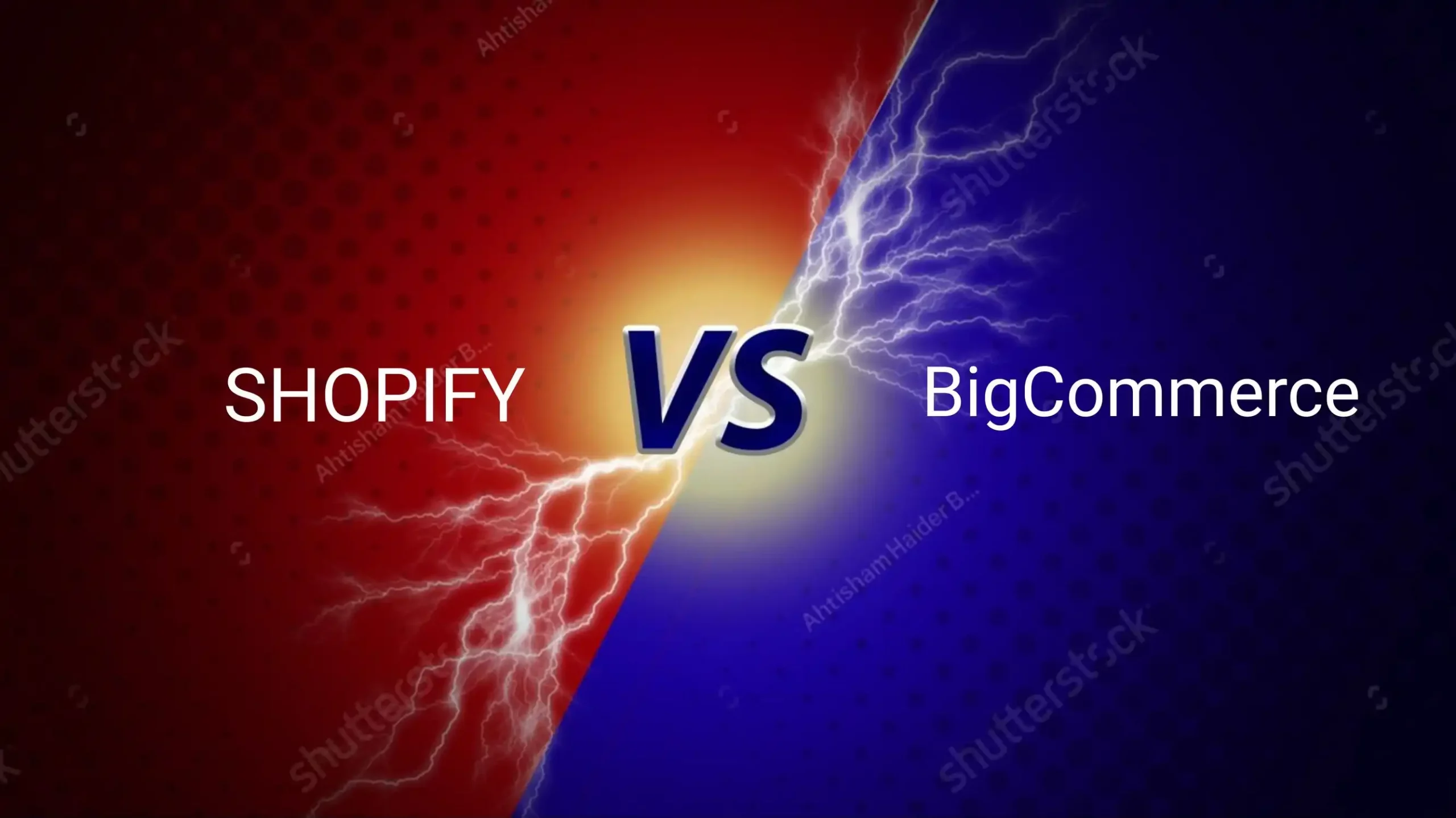
Choosing an eCommerce platform isn’t just about features — it’s about picking the system that matches how you sell, market, and scale. In this detailed comparison, the Box Brands team breaks down Shopify and BigCommerce across pricing, ease of use, design, SEO, payments, and growth so you can decide confidently.
| Feature | Shopify | BigCommerce |
|---|---|---|
| Best For | Beginners and fast store launches | Large stores and complex operations |
| Pricing | From about £29/month (plan-dependent) | From about £29/month (plan-dependent) |
| Transaction Fees | Can apply if not using Shopify Payments | No platform transaction fees |
| App Marketplace | Very large ecosystem | Smaller ecosystem |
| Built-in Features | Strong core features, many add-ons via apps | More built-in tools out of the box |
| Ease of Use | Very beginner-friendly | Slightly more technical |
| Scalability | Excellent | Excellent |
Shopify is one of the world’s most popular eCommerce platforms. It’s designed to help people launch an online store quickly, even if they don’t have technical skills. Shopify typically covers the essentials (hosting, checkout, catalog management) and then lets you extend functionality through a massive ecosystem of apps and integrations.
BigCommerce is a powerful eCommerce platform designed for brands that want advanced tools built into the core product. It’s commonly selected by businesses that have more complex product catalogs, need stronger operational controls, or want B2B features without relying heavily on extra apps.
Shopify and BigCommerce both start around the same monthly pricing level, with higher tiers unlocking more advanced reporting, operational tools, and scaling features.
| Plan Level | Shopify | BigCommerce |
|---|---|---|
| Entry | ~£29/month (varies by region and promo) | ~£29/month (varies by region and promo) |
| Mid-level | ~£79/month | ~£79/month |
| Advanced | ~£299/month | ~£299/month |
If speed and simplicity are your priorities, Shopify usually feels easier. Its guided onboarding, clean interface, and theme system make it possible to launch a store in hours.
One of the biggest practical differences between Shopify and BigCommerce is how you access advanced features. Shopify offers strong core tools but often relies on apps to add extra capabilities. BigCommerce includes more advanced features inside the platform itself.
| Platform | Typical Approach | What It Means |
|---|---|---|
| Shopify | Extend with apps and integrations | More flexibility, but potentially more subscriptions |
| BigCommerce | More built-in tools out of the box | Fewer apps needed for common advanced features |
Both platforms provide professional themes that can look premium without custom development. Shopify is widely known for clean, modern storefront design. BigCommerce offers a large variety of themes and strong customizability — especially if you have a developer.
| Design Feature | Shopify | BigCommerce |
|---|---|---|
| Theme Quality | Very polished and beginner-friendly | Professional and flexible |
| Customization | Easy for non-technical users | Excellent for deeper custom setups |
| Best Use Case | Fast, beautiful launches | Brands with unique catalog or complex design needs |
SEO is critical for most online stores because organic traffic lowers acquisition costs over time. BigCommerce is often praised for offering deeper technical SEO control directly within the platform. Shopify also supports strong SEO fundamentals, but some advanced workflows may require apps or theme edits.
Both platforms support a wide range of payment gateways, including popular card processors and regional options. The key difference is how platform-level transaction fees are handled.
Shopify and BigCommerce can both scale to support large businesses, but each one tends to win in slightly different growth scenarios.
Both Shopify and BigCommerce are excellent platforms — but they’re designed for slightly different types of store owners. If you want the easiest path to launching a store quickly with massive flexibility through apps and integrations, Shopify is often the better choice. If you want more built-in power, fewer extra apps, and no platform transaction fees, BigCommerce can be a stronger long-term fit — especially for larger catalogs and operational complexity.
For most new eCommerce businesses in 2026, Shopify remains the best all-around platform thanks to its ease of use,
theme quality, ecosystem, and speed-to-launch.
Choose BigCommerce if your store needs advanced built-in features, B2B tools, and you want to avoid platform transaction fees.