Email Marketing and CRM Explained Simply: A Beginner’s Guide to Growing Your Business in 2026
If you’re new to digital marketing, “Email Marketing” and “CRM” can sound complicated. This beginner-friendly guide explains both in simple words, shows how they work together, and gives you step-by-step actions you can start using today.
What Is Email Marketing? (In Simple Words)
Email marketing means sending emails to people who are interested in your business. These emails can be welcome messages, newsletters, promotions, or follow-ups.
- Welcome emails (sent right after someone signs up)
- Newsletters (updates, tips, new content)
- Promotional emails (offers, discounts, launches)
- Follow-ups (checking in, answering questions)
- Reminders (abandoned cart, incomplete signup)
Someone visits your website → signs up for a free guide → receives a welcome email → gets 2 helpful emails over the next week → receives an offer → becomes a customer.
What Is a CRM? (Customer Relationship Management)
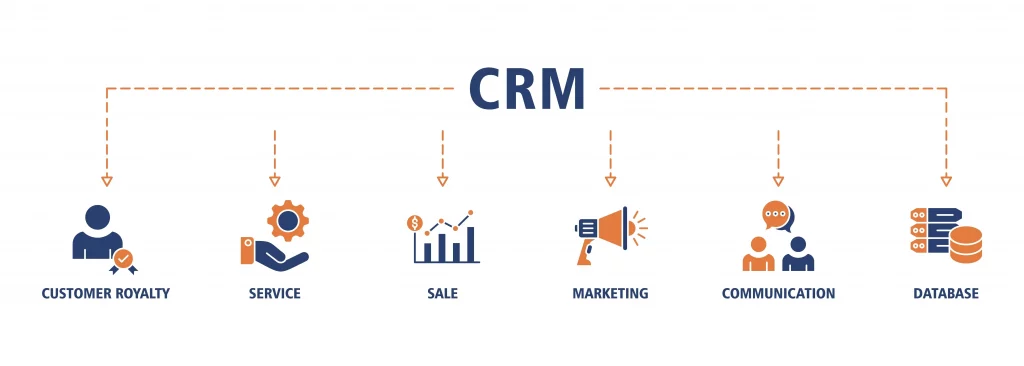
A CRM is a tool that stores and organizes your customer information. Think of it like a smart notebook that remembers who your customers are and what they did.
- Name, email, phone (contact details)
- What they bought or asked about
- When you last contacted them
- Notes about calls, messages, and meetings
- Which stage they are in (lead, prospect, customer)
A lead downloads your “SEO checklist”. Your CRM saves them as a lead and tags them as “Interested in SEO”. Later, you can send emails only to people with that interest.
What Is CRM Email Marketing?
CRM email marketing means using CRM data (like tags, interests, and actions) to send more targeted and personal emails.
Without CRM
- Same email sent to everyone
- Less relevant messages
- Lower open and click rates
With CRM
- Emails based on interests and actions
- More personal and useful
- More sales with fewer emails
New visitor → welcome email
Interested lead → helpful guide + case study
Ready buyer → offer + demo link
Existing customer → upsell + support tips
Why You Should Combine Email Marketing and CRM in 2025
When you combine email marketing with a CRM, you stop guessing and start sending the right message to the right person at the right time. This usually leads to better results and less wasted effort.
How Email Marketing Automation Works with CRM
Automation means emails are sent automatically based on what people do. Your CRM stores the action, and your email system sends the right email.
- Someone signs up on your website
- CRM saves the contact
- Welcome email is sent instantly
- After 2 days, a helpful tip email is sent
- After 5 days, an offer or consultation email is sent
Email Segmentation Using CRM (Very Important)
Segmentation means splitting your email list into groups, so your emails match what people want. CRM makes this easy because it stores tags and actions.
- New subscribers (joined in the last 7 days)
- Warm leads (clicked emails, visited pricing page)
- Customers (already bought or paid)
- High-value customers (repeat buyers, premium plans)
- Inactive (haven’t opened emails in 60 days)
Best CRM + Email Marketing Tools for Beginners
These tools are popular because they are beginner-friendly and help you manage contacts plus send campaigns and automations. Pick one tool and start simple.
Good for Beginners
- HubSpot (easy CRM + marketing features)
- Mailchimp (simple campaigns + audiences)
- Zoho CRM (CRM-focused, budget-friendly)
Best for Automation
- ActiveCampaign (advanced automation + tagging)
- Brevo (Sendinblue) (email + SMS + automation)
- Klaviyo (great for eCommerce behavior emails)
Step-by-Step: How to Start CRM Email Marketing (Beginner Plan)
Follow these steps and you’ll have a working CRM + email system even if you’re starting from zero.
- Choose one platform that supports CRM + email marketing (or integrates well).
- Add a signup form on your website (newsletter, free guide, consultation).
- Create a tag like “New Lead” or “Interested in SEO”.
- Write a 3-email welcome sequence (welcome → value → offer).
- Track results (opens, clicks, replies, bookings, sales).
- Email 1: Welcome + what they will receive (sent immediately)
- Email 2: Helpful tips or a short guide (after 2 days)
- Email 3: Offer a call / demo / discount (after 5 days)
CRM Email Marketing Best Practices (Easy Rules)
- Keep emails short (people scan emails)
- Use one main message per email
- Personalize (name, interest, action)
- Help first, sell later
- Always add an unsubscribe option
- Test subject lines (small changes can improve opens)
Top Email Marketing and CRM Trends in 2025
In 2025, the biggest improvements come from better personalization and smarter automation. Here are the trends that matter most:
- AI personalization (smarter segments and content)
- Behavior-based emails (emails triggered by actions)
- Omnichannel CRM (email + SMS + WhatsApp tracking)
- Privacy-first marketing (clean lists + permission-based growth)
- Better lifecycle marketing (lead → customer → repeat buyer)
Common Beginner Mistakes to Avoid
- Sending the same email to everyone (no segmentation)
- Buying email lists (bad quality + deliverability issues)
- Only sending sales emails (people unsubscribe)
- Not tracking results (you can’t improve what you don’t measure)
- No welcome sequence (missing the best time to build trust)
Final Thoughts: Start Simple and Grow Fast
Email marketing + CRM is not “advanced marketing”. It’s basic business growth. When you store customer data properly and send the right emails automatically, you build trust and increase sales.
Choose one tool → add a signup form → write 3 emails → set automation → improve with results.